
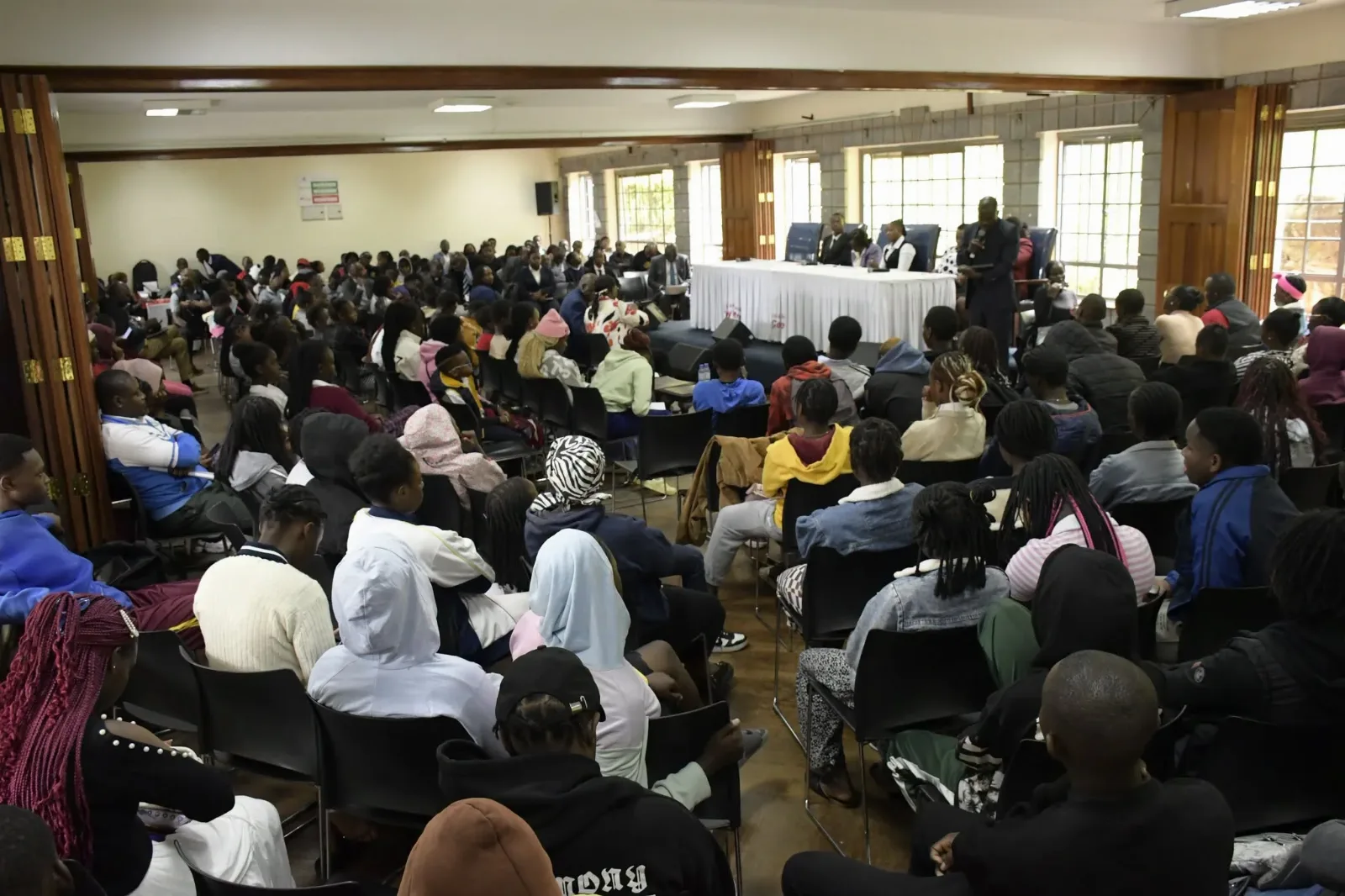
Children in Kenya have a message for the adults entrusted with their care, education and protection: Listen to us, take our concerns seriously and stop making decisions about our lives without involving us.
That message emerged forcefully from a children’s survey and dialogue convened by All Saints Cathedral, Nairobi, which brought together hundreds of children, government officials, church leaders and other stakeholders to discuss issues affecting their safety, welfare and future.
The findings paint a troubling picture of childhood experiences, with bullying, violence at home and school, unaffordable education, substance abuse and mental health challenges featuring prominently among the concerns raised.
In a survey conducted on Sunday, November 22, 201 children at the Cathedral identified the problems affecting children most. The following day, close to 200 children, mostly aged between eight and 18, participated in a dialogue with the Principal Secretary in the State Department for Children Services, CPA Carren Ageng’o, officials from the Ministry of Education, the National Police Service and church leaders.
The exercise, organised under the theme Children Voices Matter, provided children with an opportunity to speak directly about their experiences and what they want those in positions of responsibility to do.
And their message was unmistakable: Childhood is becoming increasingly complicated by threats that adults must no longer ignore.
Bullying emerged as the most frequently reported concern in the survey, with half of the children identifying it as a major problem.
But violence, the children indicated, extends well beyond playgrounds and school corridors. Forty-five per cent said children are beaten or harshly punished at home, while 42 per cent reported that teachers insult or embarrass learners. Four in ten raised the issue of caning at school, despite the prohibition of corporal punishment, while 41 per cent identified cyberbullying as a concern.
Sexual abuse was raised by 33 per cent of the respondents, while 30 per cent expressed concern that perpetrators are not arrested or punished.
The findings raise difficult questions about whether the institutions and individuals responsible for protecting children are adequately discharging their responsibilities.
They also suggest that for some children, places that should offer safety and nurture – homes and schools – are themselves sources of fear and distress.
The children want stronger protection, effective reporting mechanisms and accountability for those who abuse them.
The financial burden of education was another major concern. Nearly half of the children surveyed (48 per cent) said school fees and levies were too high, while 42 per cent reported that children were being sent home for failing to pay fees.
The situation appeared particularly pronounced among girls, 57 per cent of whom identified high school fees and levies as a problem, while 52 per cent raised the practice of sending children home over unpaid fees.
During Monday’s dialogue, children also complained about hidden school costs, questioning why families continue to shoulder expenses beyond what they understand to be the expected cost of education.
They called for affordable, quality education and greater attention to children in North Eastern Kenya and other regions they believe continue to lag behind.
Another concern was the pressure of school schedules. Some children said they routinely wake up as early as 4am to get to school, despite government guidance that classes should begin at 8am.
The Ministry of Education representatives reportedly explained the applicable policy, with an agreement that schools should comply with government requirements rather than impose their own internal reporting schedules.
Children are also worried about growing exposure to drugs, alcohol and harmful online content. In the survey, 46 per cent raised concern about children drinking alcohol, while 38 per cent identified bhang use. Nearly one in four (24 per cent) said alcohol and drugs were being sold near schools.
The concern was also raised during the dialogue, with children alleging that drugs are being sold to school-going children and that those responsible are not being arrested or prosecuted.
Online safety featured prominently too. Forty-three per cent of the children surveyed said they were exposed to inappropriate pictures or videos online, while 41 per cent identified cyberbullying.
During the dialogue, children raised concerns about online threats and exploitation, highlighting the need for stronger protection and greater awareness among parents, schools and young internet users.
Perhaps among the most concerning findings was the number of children who said they were experiencing emotional distress without adequate support. Forty per cent reported that children face stress, worry or sadness without anyone to help them. Among girls, the proportion rose to 49 per cent.
The children also spoke about those who are especially vulnerable, including orphans, children with disabilities and those requiring specialised medical care.
In the survey, 40 per cent raised concerns about orphans and children without parental care, while 33 per cent said children with disabilities are hidden at home.
Girls also highlighted the challenges associated with menstruation. Forty-four per cent of girls surveyed said girls lack sanitary pads or miss school during their periods.
During Monday’s dialogue, they raised further concerns that sanitary pads distributed to schools do not always reach their intended beneficiaries. They called for timely distribution to every girl and safe facilities for disposing of used pads.
They also advocated for children living with complex and rare medical conditions, recalling the case of a child whose treatment for a rare skin disease required Ksh10 million to be raised.
Street children, they said, also deserve greater attention, particularly regarding access to food, safety and protection.
Beyond the specific challenges they face, the children raised a fundamental issue: Their exclusion from decisions that affect their lives. Thirty per cent of those who participated in the survey said children are not included in decisions at school, church or county level, while 26 per cent said children do not know their rights or where to report violations.
One girl aged between 10 and 13 captured the sentiment in a written submission: “Though we can’t vote, our voice still matters.”
The statement became a powerful expression of the purpose of the dialogue.
The Provost of All Saints Cathedral, the Very Reverend Canon Evans Omolo, said children’s participation was not merely a matter of goodwill but a right recognised in law. He cited Section 28 of the Children Act, 2022, which affirms every child’s right to express their views on matters affecting them and to have those views heard and given due weight according to their age and maturity.
He also pointed to the Constitution’s recognition of public participation as a national value, arguing that children, as members of the Kenyan public, must not be excluded from processes that shape their lives.
For Omolo, listening must go beyond inviting children to speak. Their concerns must be taken seriously by government, religious organisations, civil society and the private sector, with feedback provided on the issues they raise.
With campaigns for the 2027 General Election approaching, the children also expressed fears of being used by politicians and becoming caught up in election-related violence.
Some recalled incidents of tear gas being fired to disperse protests near schools and homes, calling for an end to such practices and accountability for officers responsible.
They urged the National Police Service to prosecute politicians who exploit children for political gain and called on the Independent Electoral and Boundaries Commission (IEBC) and police to ensure schools are not used for party primaries or political campaign activities that disrupt learning.
The Cathedral also appealed to political aspirants, campaign teams and other political actors not to use children to advance political agendas.
All Saints Cathedral says it intends to ensure that the dialogue does not become another occasion where children speak, adults applaud and nothing changes. Omolo announced that the Cathedral, working with the State Department for Children Services, would develop an action plan identifying the specific government agencies and other duty bearers responsible for addressing each issue raised.