
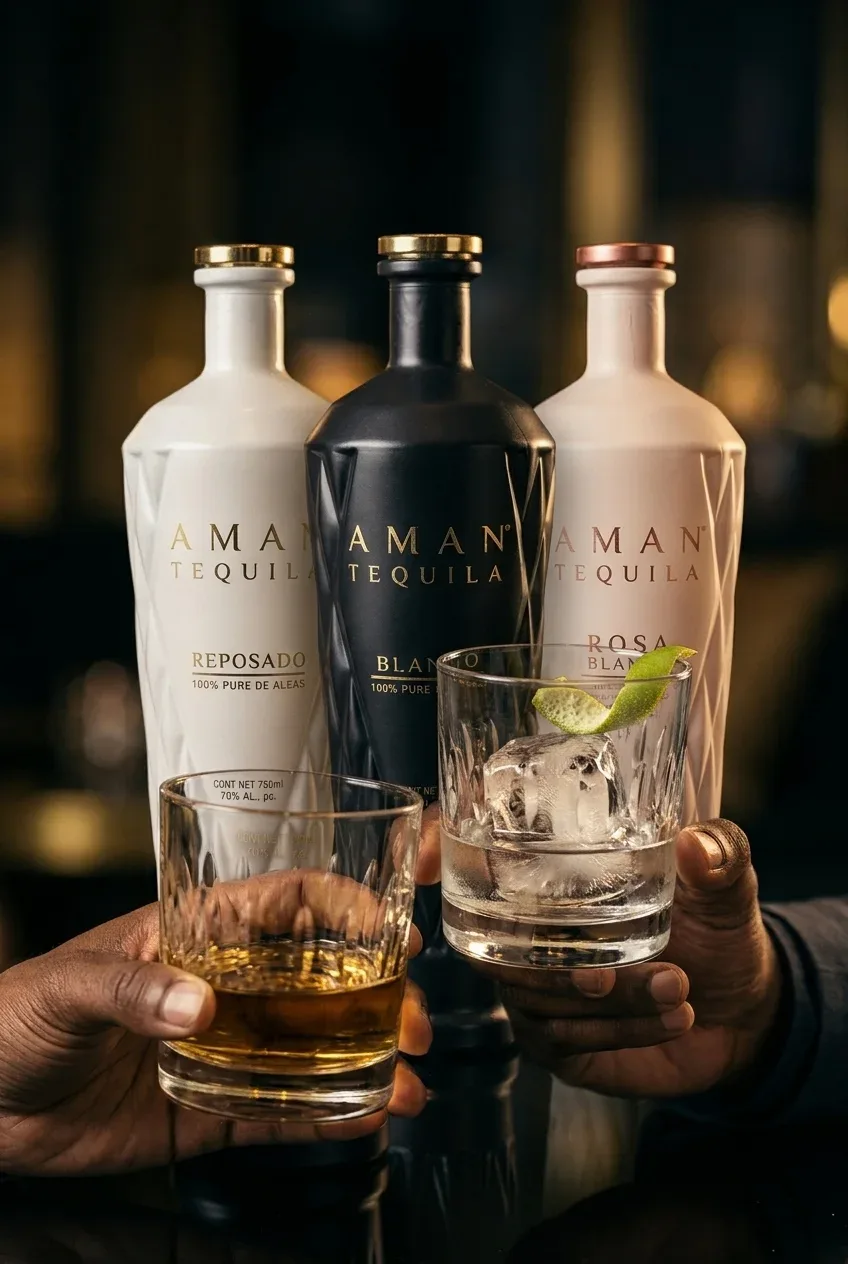
Nairobi’s nightlife is undergoing a quiet but unmistakable revolution. Walk into an upscale lounge in Kilimani or Westlands, and the tables tell a new story: One increasingly dominated by ultra-premium agave spirits. Leading the latest wave of foreign investment into this lucrative market is Nigerian entrepreneur Akintoye Enikanoselu, whose firm, Imperial Barrel Limited, recently secured exclusive distribution rights for AMAN Tequila across East Africa.
Launched in Nairobi in September 2026, AMAN’s arrival underscores a growing confidence among international investors in Kenya’s premium alcohol consumer market. Despite macroeconomic headwinds, the country’s position as East Africa’s commercial gateway, an increasingly sophisticated hospitality sector and a young, upwardly mobile middle class continue to attract ambitious capital. Kenya is not merely a market for selling spirits; it is an increasingly attractive destination for building lifestyle brands.
For Enikanoselu, Nairobi was the natural launchpad. Through curated nightlife partnerships, mixology education and high-energy experiential launches, AMAN Tequila has moved quickly to court the city’s social elite, with targeted activations across leading dining and entertainment establishments. The strategy reflects a fundamental shift in consumer behaviour. Affluent Kenyan consumers are increasingly buying into more than the contents of a bottle; they are purchasing lifestyle, authenticity, exclusivity and status. In this market, the experience can be just as important as the drink.
But entering Kenya’s lucrative spirits market comes with a formidable headache: Counterfeiting. As premium tequila gains traction, illicit operators have an incentive to exploit the allure of luxury brands, sometimes refilling discarded bottles with cheap, potentially dangerous concoctions. For brand custodians such as Enikanoselu, protecting a brand is therefore about considerably more than preserving its image. It is about protecting consumers, safeguarding commercial interests and ensuring that the product bearing the label is the real deal.
From distinctive bottle designs inspired by indigenous Mexican culture to tamper-evident seals, verifiable excise stamps and tightly controlled distribution networks, authentication is becoming an essential part of the premium spirits business. When a reveller parts with a considerable sum for a 100 per cent Blue Weber agave spirit, they should be confident that what reaches their glass is authentic tequila, not a potentially toxic imitation. In the luxury drinks business, a counterfeit bottle can do more damage than a bad cocktail.
Yet, amid the glamour of Nairobi’s bottle-service culture, another responsibility looms large: Protecting young consumers. Social media hype, celebrity associations and the aspirational marketing of nightlife can easily turn premium alcohol into an object of desire among underage audiences. Robust age-verification procedures at points of sale, properly trained bartenders and responsible-drinking messages must therefore be integral to brand-building. After all, a luxury brand’s long-term value rests on credibility and sustainability, not encouraging reckless consumption.
That responsibility is becoming even more consequential as Kenya contemplates a major overhaul of its alcohol regulatory framework. The Alcoholic Drinks and Drugs Control Laws (Amendment) Bill, 2026, sponsored by National Assembly Majority Leader Kimani Ichung’wah, proposes raising the minimum legal drinking age from 18 to 21, tightening licensing requirements, restricting alcohol sales through supermarkets and online platforms, and introducing stricter controls on distribution and advertising. It also proposes new regulatory structures and a levy on manufacturers and importers to finance alcohol-control programmes.
The Bill underwent First Reading in the National Assembly on November 5, 2026, before being referred for committee consideration and stakeholder input. It has not become law, but its proposed provisions could significantly reshape Kenya’s alcoholic beverages industry. For manufacturers, importers, distributors, retailers and hospitality operators, the message is clear: The next phase of growth will require not just commercial ambition but an equally sophisticated understanding of regulation.
For premium spirits brands such as AMAN Tequila, the proposed changes present both a challenge and an opportunity. Tighter restrictions could force distributors to rethink retail partnerships, promotional strategies, distribution networks and even the economics of market entry. On the other hand, a more disciplined regulatory environment could strengthen legitimate businesses by making it harder for counterfeiters and unscrupulous operators to exploit weaknesses in the supply chain. Brands that invest early in compliance, traceability and responsible marketing may find themselves better positioned as the market evolves.
Ultimately, Enikanoselu’s investment is a vote of confidence in Kenya’s appetite for premium experiences and its potential as a regional commercial hub. But winning this market will take more than glamorous launches and expensive bottles. It will demand authenticity, consumer trust, regulatory agility and an appreciation of the responsibilities that come with selling alcohol. Nairobi may have developed a taste for tequila, but in this increasingly competitive spirits economy, the brands that last will be those that understand that a premium label is only as good as the product, integrity and responsibility behind it.