
Understanding the strange, fascinating and sometimes amusing ways of the human mind!
People use the word syndrome quite freely in everyday conversation. But how much do we really know about syndromes?
What exactly is a syndrome? How many are there? What different types exist? Where did they originate? Are there famous people who have been associated with them? And, perhaps most importantly, can we recognize their influence in our everyday lives?
Welcome to THE SYNDROME OF THE DAY!
We are embarking on a fascinating journey into the world of syndromes. Every day, we will introduce a different syndrome, explore its origins, explain what it means, look at some interesting historical cases and discover how it might relate to our everyday experiences.
Some will surprise you, some will make you think, and others might even make you laugh!
Our first stop on this exciting journey is a particularly interesting one:
EPISODE 1: STOCKHOLM SYNDROME
When the victim starts sympathizing with the captor!
1. What does it mean?
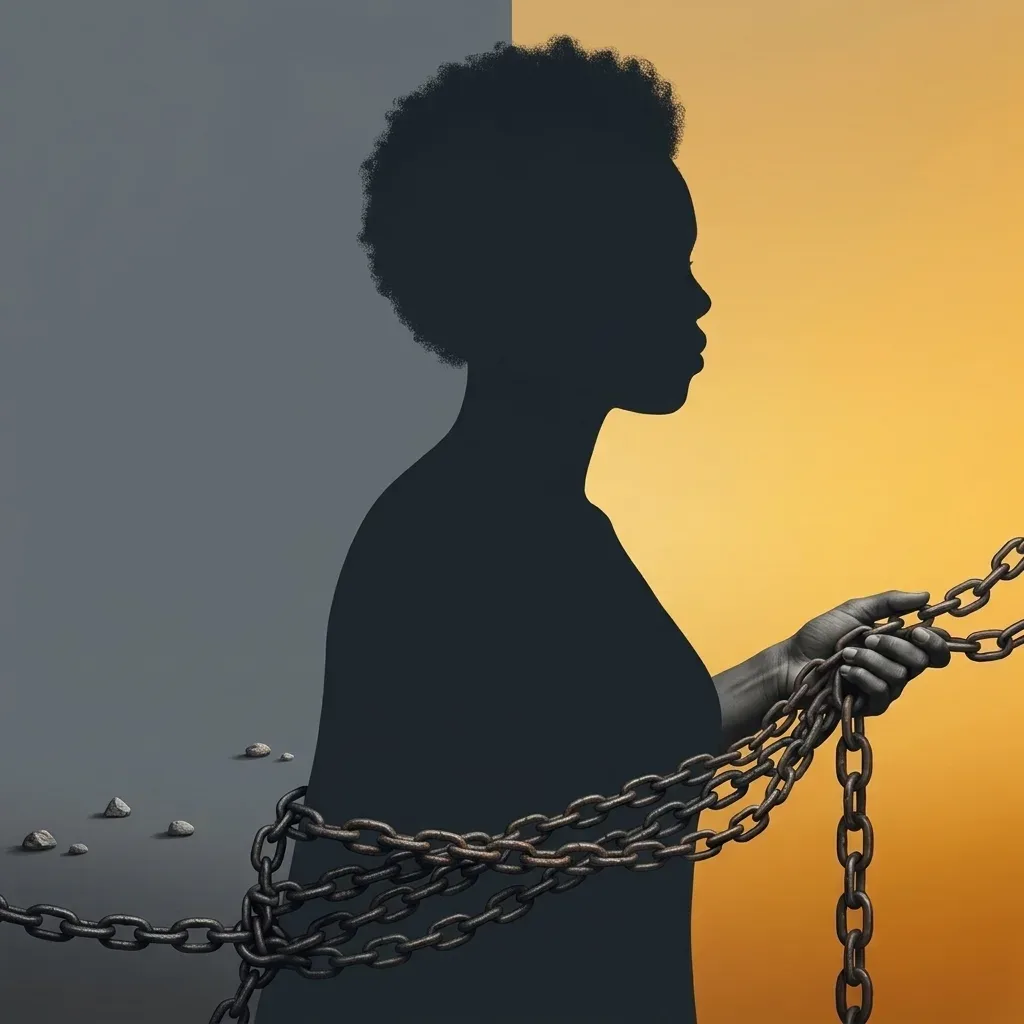
Stockholm syndrome is a term used to describe a situation in which someone held captive, threatened, abused or controlled develops positive feelings, sympathy, loyalty or emotional attachment towards the very person responsible for their suffering.
In simple language, imagine someone holding you hostage, yet you gradually begin defending them, worrying about their welfare and even viewing them as your protector!
Strange? Yes. Impossible? No.
One explanation is that this can be a survival response. When someone is living under extreme fear and dependence, they may develop an emotional connection with the person controlling their circumstances.
An important note: Stockholm syndrome is not an officially recognised psychiatric diagnosis. Experts also debate whether it is a distinct syndrome at all.
2. Where did the name come from?
Our story takes us to Stockholm, Sweden, in August 1973.
A bank robbery at the Kreditbanken in Norrmalmstorg turned into a six-day hostage crisis.
A robber named Jan-Erik Olsson held four bank employees hostage. During the ordeal, the hostages developed unexpected feelings of sympathy towards their captors. Some later expressed distrust of the police and reluctance to testify against the robbers.
Swedish psychiatrist and criminologist Nils Bejerot became associated with the term used to describe this unusual reaction.
And that is how the world came to know the expression Stockholm Syndrome!
3. Famous people and cases associated with Stockholm syndrome
There are several well-known cases that have been discussed in connection with this phenomenon.
- Kristin Enmark: One of the four bank employees held hostage during the 1973 Stockholm robbery. Her reactions helped make the incident famous, although she has challenged the way the syndrome was attributed to her.
- Patty Hearst: An American newspaper heiress kidnapped in 1974 by the Symbionese Liberation Army (SLA). She later appeared in an armed bank robbery alongside members of the group. Her case became one of the most famous examples cited in discussions of Stockholm syndrome. However, the extent to which her actions reflected coercion, survival or genuine identification with her captors remains debated.
These cases remind us that human behaviour under extreme pressure can be complicated. We should be careful not to diagnose people simply because their actions appear unusual.
4. Can you catch Stockholm syndrome? How do you avoid it?
First, you cannot catch it like a cold or flu! It is not an infectious disease.
It is a term associated with certain emotional responses to captivity, abuse and coercive control.
But here is where things become particularly interesting as we approach the 2027 General Election.
Can we borrow the idea of Stockholm syndrome to reflect on our relationship with political leaders?
Consider this:
- When a leader repeatedly makes promises but fails to deliver, do we continue defending them?
- When politicians make decisions that hurt ordinary citizens, do we find ourselves making excuses for them?
- When a leader attacks those who question their performance, do we begin treating critics as enemies?
- When politicians give us occasional favours or handouts, do we forget to ask for accountability?
- When our political loyalty becomes so strong that we defend wrongdoing simply because it comes from our preferred political camp, have we stopped thinking independently?
These are important questions!
To be clear, this is a political analogy, not a clinical diagnosis of voters or political supporters.
5. How do we protect ourselves as we approach the 2027 elections?
Here are a few survival tips for the politically conscious citizen:
- Never fall in love with a politician! Love your country, respect your leaders, but remember that politicians are public servants, not personal saviours.
- Follow the facts, not the personality. Look at performance, policies, accountability and results rather than catchy slogans and impressive speeches.
- Don't confuse handouts with development. A little money, food parcel or campaign gift should never replace your right to quality healthcare, education, employment, security and good governance.
- Question your political heroes. Supporting someone does not mean agreeing with everything they do. A good leader should withstand scrutiny.
- Beware of political propaganda. Verify information before forwarding it. Not everything shared in your WhatsApp groups is gospel truth!
- Don't surrender your independent thinking. You have a brain. Please use it! Your vote belongs to you, not to your favourite politician, political party, tribe or political influencer.
- Remember that leadership is temporary, but the consequences of our choices can last for generations.
6. The big question of the day!
Can a person become so emotionally attached to someone exercising power over them that they begin defending the very behaviour that disadvantages them?
And, taking this thought into the political arena:
Are we sometimes so attached to our political leaders that we forget to hold them accountable?
Something to think about before the next rally, political speech or campaign promise!
OUR TAKE-HOME MESSAGE
Stockholm syndrome teaches us that human relationships, particularly those involving fear, control and dependence, can be extraordinarily complicated.
As we head towards the 2027 elections, let us remain informed, alert, independent-minded and willing to ask difficult questions.
Remember:
You can support a leader without worshipping them. You can belong to a political party without surrendering your brain. And you can change your mind without betraying your country!
Until our next episode, keep thinking, keep questioning and, above all, keep your eyes open!
WELCOME TO THE SYNDROME OF THE DAY - WHERE EVERY DAY IS A NEW LESSON ABOUT THE HUMAN MIND!