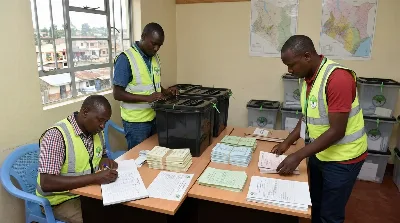
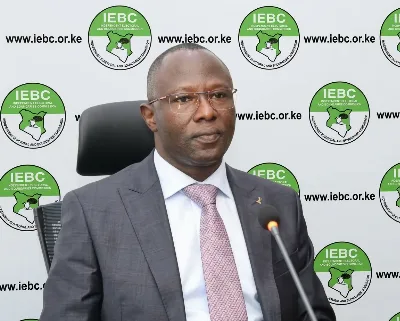
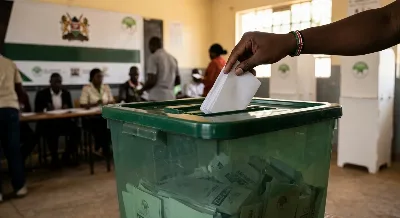
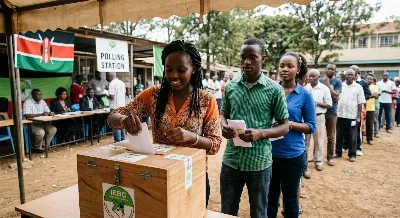
IEBC’s communication gaps, political tensions and response to voter-registration and electoral-rule claims are testing public confidence ahead of Kenya’s 2027 General Election.
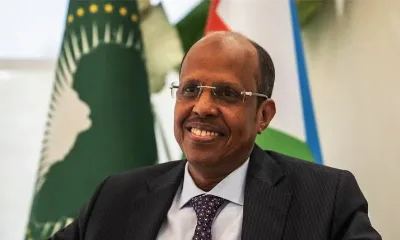
AfCRA’s launch in Mauritius could give African economies a more localised credit assessment. The story examines what the agency could mean for Kenya’s borrowing costs and why credibility will be crucial.
An examination of the challenges facing Kenya’s electoral commission ahead of the August 10, 2027 General Election, including public trust, election technology, procurement and voter access.
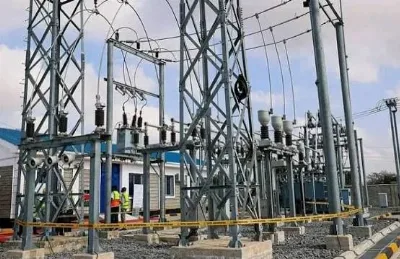
Kenya’s electricity costs remain higher than in Uganda, Vietnam and Morocco. The World Bank points to costly power contracts, weak competition and governance concerns as key drivers.
The IEBC is facing acting appointments, staff exits, disputed promotions and internal uncertainty less than a year before Kenya’s 2027 General Election.
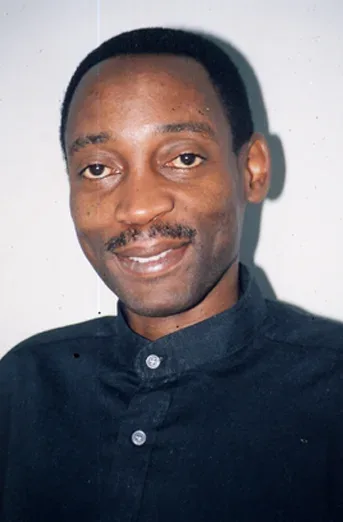
Cartoonist Paul Kelemba, known as Maddo, has released a second anthology collecting his political cartoons from 2012 to 2016. The book traces Kenya’s constitutional and political changes through satire.
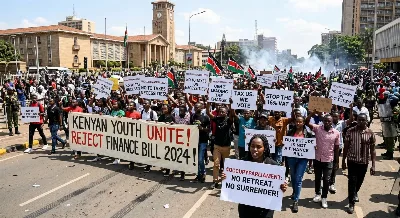
Kenya’s Gen Z forced the government to retreat in 2024, but as protest gives way to podcasts,
panel discussions and endless political commentary, Serbia offers a telling contrast: what
happens when a generation learns to articulate its oppression but struggles to sustain the pressure
needed to overcome it?
By Matiko Marwa Nyamaani
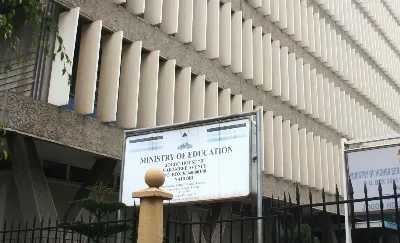
Kenya’s proposed education reforms target access, quality, curriculum implementation, teacher management, technology and university financing as the country reassesses how it prepares learners for the future.
By Andiwo Obondoh
Inflection’s list tracks 21 people linked to presidential ambitions ahead of Kenya’s August 10, 2027 General Election, their political affiliations and the questions they may need to answer.
Drawing on Kenya’s political history and the 2010 constitutional referendum, the article argues that young voters have a historical duty to defend the country’s values at the 2027 ballot box.
By Njeri Kabeberi
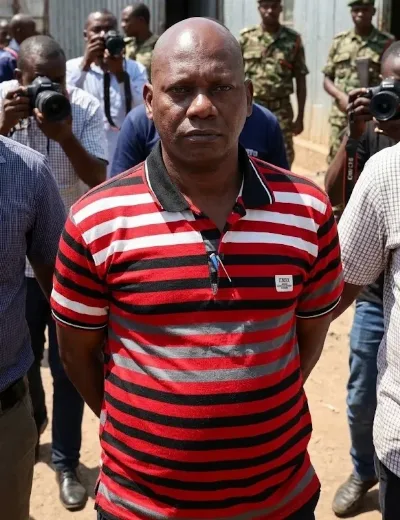
Paul Mackenzie and his accomplices have been sentenced for one of Kenya’s worst mass atrocities. But the 200-year prison sentence handed to the cult leader exposes a much bigger question: How did hundreds of people die, in a forest within the reach of the Kenyan security apparatus, despite years of warnings? The killers have been convicted. The institutions that failed to stop them remain largely unaccountable.