A child stands at a place they love, holding up a hand-drawn wave to show how far the sea could reach by the time they are in their eighties. Then the wave is lowered, offering a glimpse of a different future if the world acts now to cut greenhouse gas emissions.
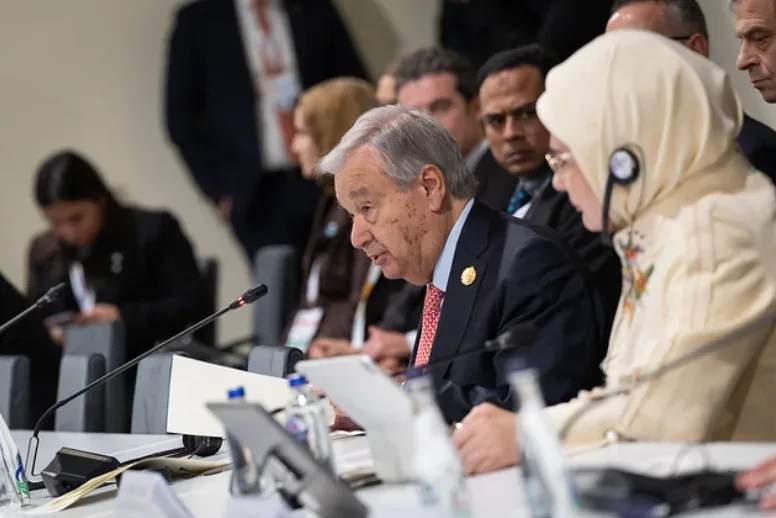
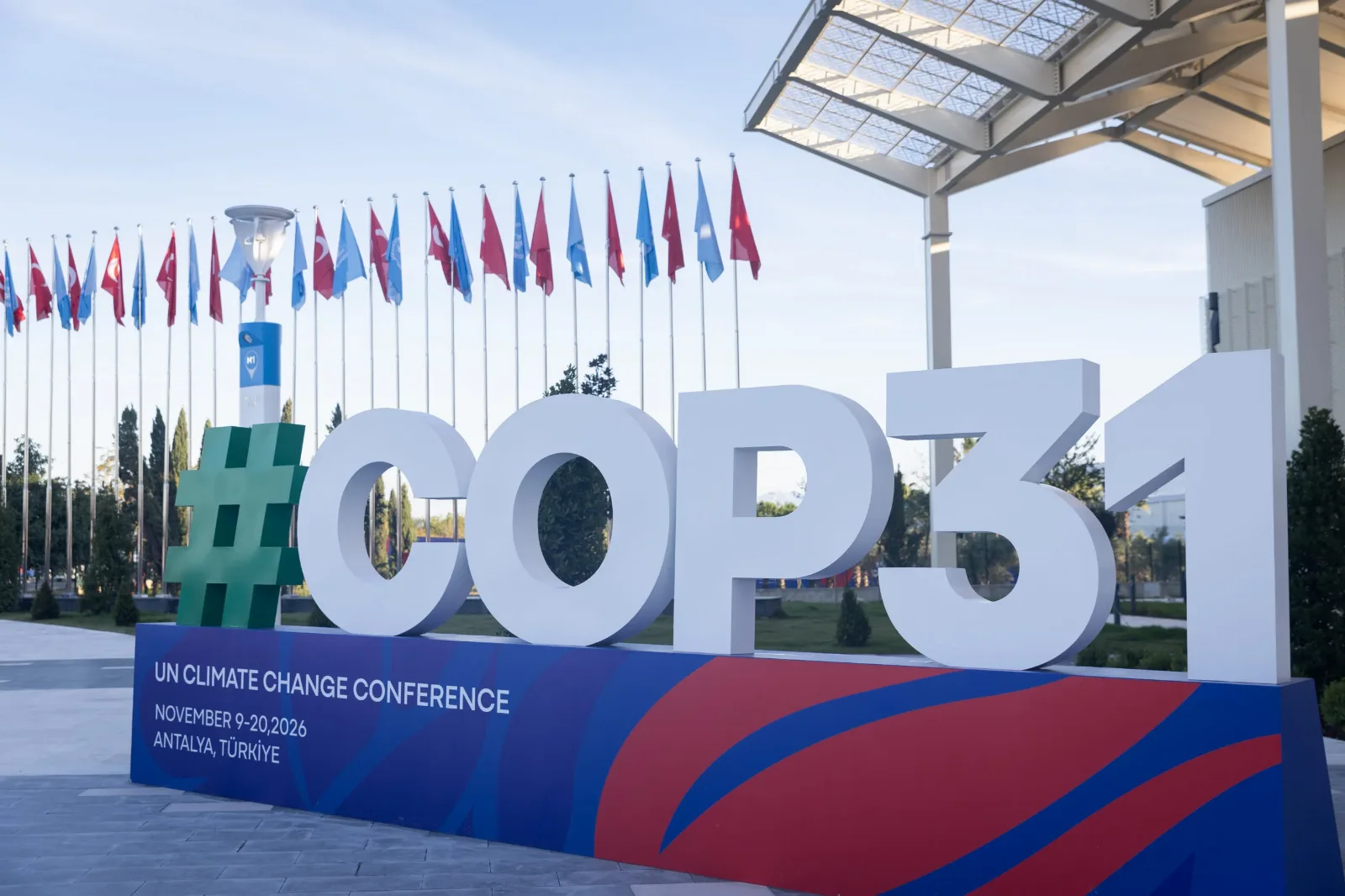
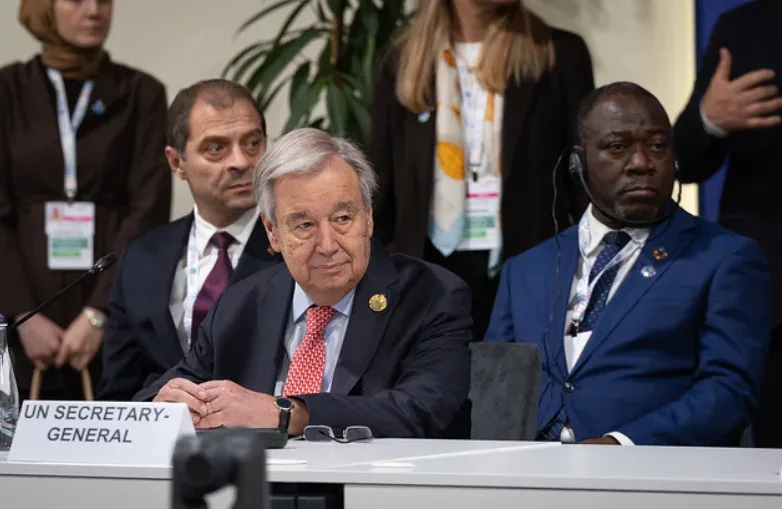
It is a simple but unsettling message being taken to world leaders at the COP31 climate summit in Antalya, Türkiye: Decisions made today could determine how much of the world is left above water for future generations.
The initiative, known as Antarctica 2100, is inviting families around the world to record videos of their children showing how rising sea levels could affect places that matter to them.
The project draws on Intergovernmental Panel on Climate Change (IPCC) projections, illustrating a potential sea-level rise of around 1.7 metres by 2100 under a high-emissions scenario, compared with approximately half a metre under a lower-emissions pathway.
The children, speaking in their own languages, also have messages for world leaders.
The project is being presented by the International Cryosphere Climate Initiative (ICCI) alongside an audiovisual installation, What Happens Here, at the Cryosphere Pavilion during COP31.
Created by Tasmanian artist K Verell, the 18-minute installation uses recordings of Antarctic ice and seismic data from East Antarctica’s Denman Glacier to make the retreat of the ice physically audible.
But behind the artistic experience is a serious scientific warning.
Denman Glacier is among the most vulnerable glaciers in East Antarctica. Its ice holds enough water to contribute approximately 1.5 metres to global sea-level rise. Researchers warn that the deep underwater landscape beneath it could make rapid and potentially irreversible retreat possible.
Although Antarctica may seem remote from everyday life, its future is closely connected to the fate of coastal communities around the world.
For countries such as Kenya, where communities, infrastructure and economic activity are concentrated along the Indian Ocean coastline, rising seas are not an abstract scientific concern. They raise questions about the future of homes, livelihoods, ports and coastal ecosystems.
The message from the Antarctica 2100 project is that the future is not entirely predetermined. The amount of ice lost, and consequently the extent of future sea-level rise, will depend significantly on the world’s emissions choices.
As COP31 negotiations continue, the project invites world leaders to consider not only the commitments they make today, but the world those decisions will leave behind.
Families can participate in the Antarctica 2100 project by submitting videos through the International Cryosphere Climate Initiative’s website: https://iccinet.org/sea-level-rise.
For the children holding up those hand-drawn waves, 2100 is not an abstract date in a scientific report. It is their old age.